Urban Tree Health: New Pest and Disease Challenges
Cornell IPM Annual Conference
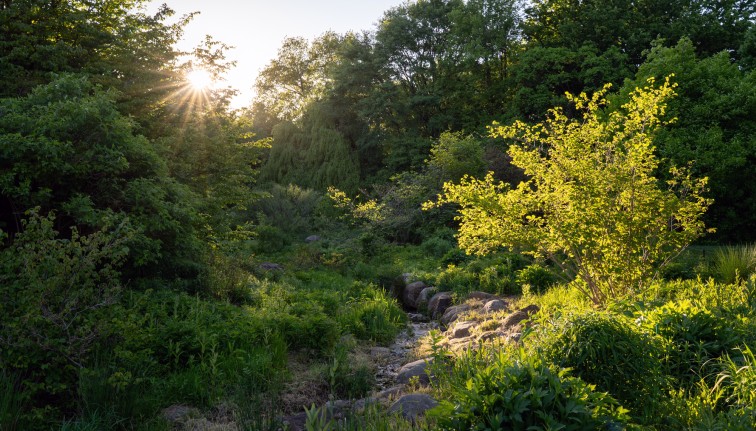
Trees in urban environments can face unexpected challenges, including new insects and diseases. Learn how to manage some of them from regional specialists at the beautiful Brooklyn Botanic Garden in New York City.
Save the Date
July 24, 2026
Registration coming soon
Questions? Contact Jody Gangloff-Kaufmann, jlg23 [at] cornell.edu (jlg23[at]cornell[dot]edu).
About the conference
Agenda
- 8:30-9am—Coffee and check-in
- 9-9:30am—Welcome
- 9:30am-12:30pm—Garden tours and demonstrations
- 12:30-1:30pm—Lunch (Provided)
- 1:30-2:15pm—Keynote speaker
- 2:15-3:30pm—Panel discussion on emerging threats to urban trees
- 3:30-4pm—Evaluation and closing remarks
For more information
Please contact Jody Gangloff-Kaufmann, Associate Director, Community and Urban IPM Coordinator, Cornell Integrated Pest Management, at jlg23 [at] cornell.edu (jlg23[at]cornell[dot]edu).
Keynote speaker
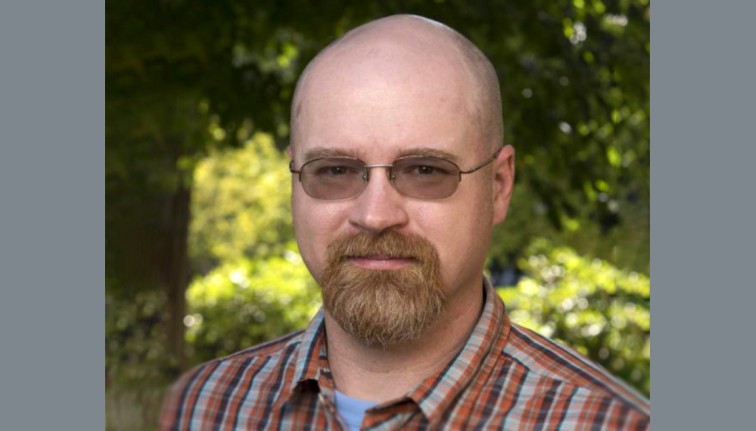
Richard "Rick" Harper, Ph.D., professor and extension urban forestry specialist, University of Massachusetts, Amherst
Expert-guided tours
Guided tours by industry experts will take place throughout the Garden grounds. Attendees will participate in each of the tour stops and will have time to view demonstrations in the atrium. Participants should be prepared for walking, standing and inclement weather.
Beech leaf disease
Beech leaf disease is a relatively new and fatal disease of beech present in New York State. Margery Daughtery will discuss how to identify and manage the disease.
Hemlock woolly adelgid
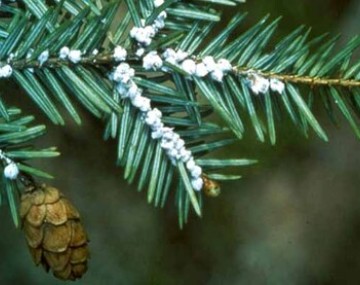
Hemlock woolly adelgid is an invasive insect that is decimating New York State hemlock populations. Nick Dletschler will talk about the work of the New York State Hemlock Initiative in protecting hemlocks in forests and landscapes.
Diseases of Ornamental Prunus
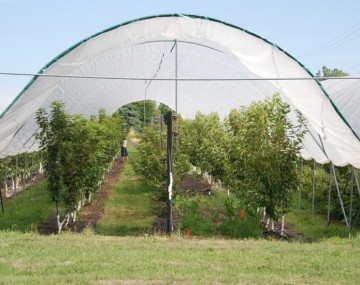
Kwanzan cherries are beautiful but susceptible to shot hole disease and black spot. Scott Cosseboom will provide management options for this and other issues.
Demonstrations
Plant tissue testing
How to do tissue tests for specific information on nutrient levels in your plants, led by Mina Vescera, nursery specialist, Cornell Cooperative Extension of Suffolk County.
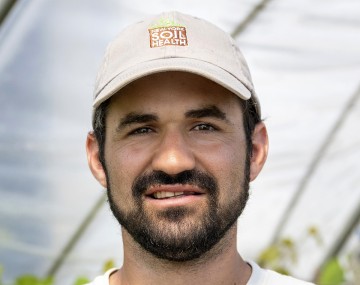
Soil Health
Learn about the effects of management on soil resilience, water infiltration and runoff, led by Joseph Amsili, director, New York Soil Health Program, Cornell University.
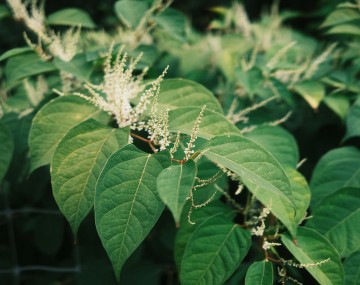
Invasive woody plants and their lookalikes
Some invasive plants are lookalikes with native plants. Learn how to identify them all so you can keep the beneficial plants, led by Prospect Park Alliance staff.
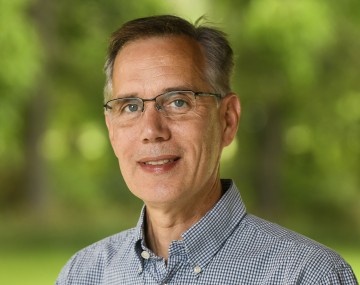
Invasive insect species
How to monitor and trap invasive insects, including spotted lanternfly detection and management, led by Brian Eshenaur, invasive species coordinator, Cornell Integrated Pest Management.
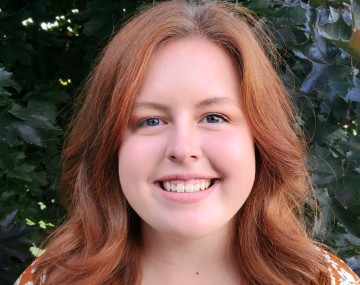
Supporting tree pollinators
Pollinator-friendly IPM practices may help support both pollinator health and sustainable tree production, led by Shianne Lindsay, Ph.D. student, Department of Entomology, Cornell University.
Fungal tree diseases under the microscope
What do the fungi that cause tree diseases look like up close and personal? Led by Karen Snover-Clift, director, Plant Disease Diagnostic Clinic, Cornell University.
Expert panel discussion
Urban forests are facing an unprecedented convergence of emerging threats driven by global trade, shifting climates and rapidly evolving pest pressures. This panel explores the next generation of challenges to urban tree health, focusing on how climate change is reshaping pest dynamics, extending the range and survival of invasive species and intensifying disease outbreaks in cities.
About the panelists and tour leaders
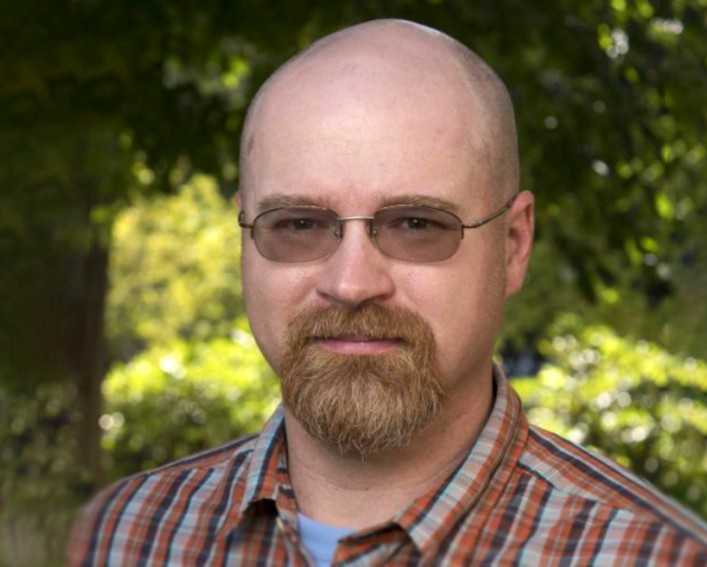
Keynote speaker and panelist
Richard W. Harper, Ph.D.
Richard W. Harper is a University of Massachusetts Amherst professor and extension urban forestry specialist. A board-certified master arborist, he researches and teaches urban and community forestry. Harper holds a bachelor's degree from Lakehead University and an arboriculture doctorate from UMass.
Panelist
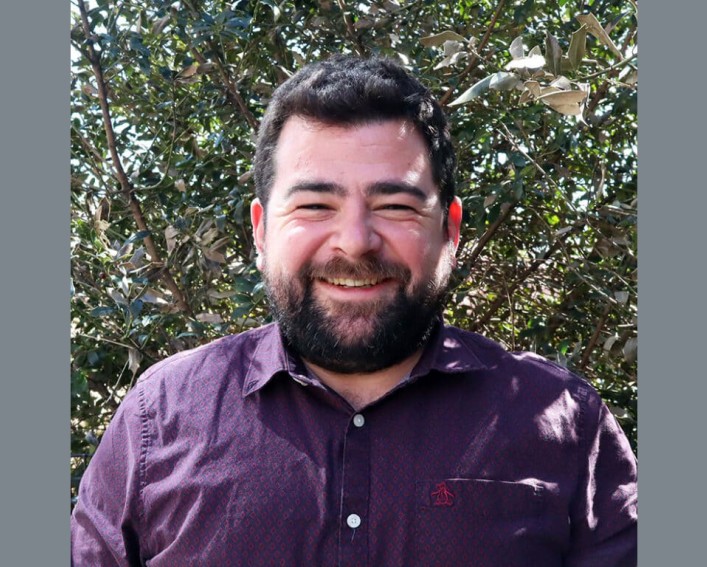
Aaron Donato
Aaron Donato is an arborist and ecologist with 18 years of experience. He stewards New York City urban natural areas and previously coordinated regional conservation programs. Donato holds a master's degree in forestry from Yale University and a bachelor's degree in natural resources from Cornell University.
Panelist
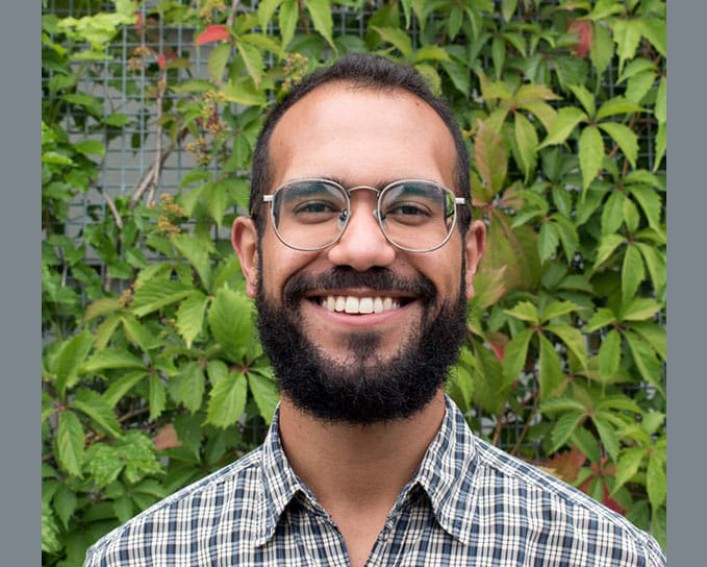
Nathan Hunter
Nathan Hunter is an experienced food and garden educator. A Manhattan College graduate who built its first rooftop garden, he previously managed agricultural and biogas projects in Tanzania. He organizes around local food access and is an avid gardener and plant enthusiast.
Panelist
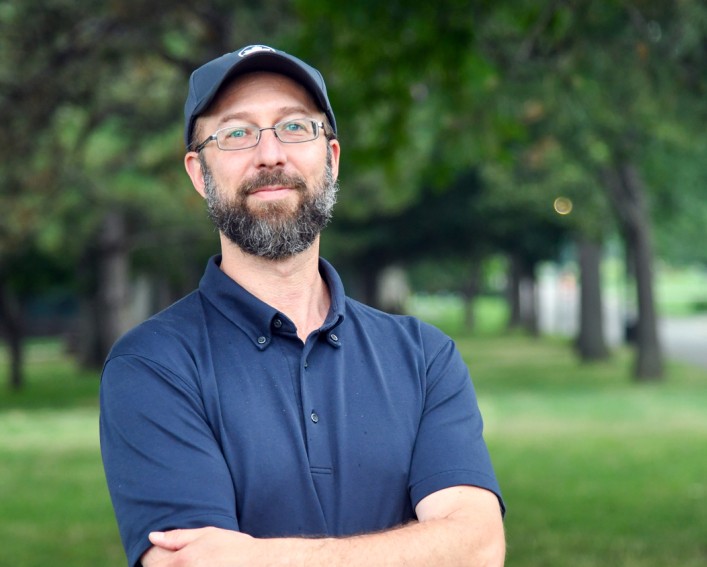
Ben Osborne
Ben Osborne is assistant commissioner of forestry and horticulture for New York City Parks. With the agency since 2007, he oversees tree planting and care. A board-certified master arborist, Osborne holds a bachelor's degree from New York University and a master's degree from the University of Vermont.
Panelist and tour leader
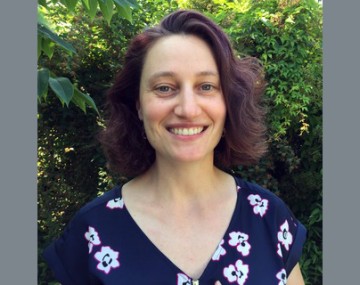
Margery Daughtrey
Margery Daughtrey, a senior extension associate in the School of Integrative Plant Science’s Plant Pathology and Plant-Microbe Biology section at Cornell University, leads research helping growers manage ornamental crop diseases such as powdery mildew. Partnering with New York growers and national initiatives, she develops sustainable, science-based disease management strategies for the industry.
Tour leader
Nick DIetschler
Nick Dletschler manages fieldwork and the biocontrol release program for the New York State Hemlock Initiative at Cornell University. Previously a state pest surveyor, he holds conservation degrees from State University of New York Environmental Science and Forestry and Cornell University. His research focuses on plant-pest interactions and predator ecology in forests.
Tour leader
Scott Cosseboom
Scott Cosseboom is a plant pathology senior research associate at Cornell University's Hudson Valley Research Laboratory in Highland, New York. Formerly a University of Maryland postdoctoral fellow, his research focuses on epidemiology, fungal pathogen modeling and fungicide resistance in specialty crops.